Backyard chickens have exploded in popularity—and for good reason. They’re fun, surprisingly low-maintenance, and reward you with fresh eggs, fertilizer, and endless entertainment.
But before you grab a few hens and start a flock, there’s a lot to consider.
In this complete starter guide, we’ll walk through the myths, facts, costs, and daily care tips so you can decide if keeping chickens is right for you—and set yourself up for success.
Contents
Common Chicken-Keeping Myths — Busted
Before we dive into logistics, let’s tackle some myths:
-
Myth 1: Chickens stink.
→ Not true if your coop is well-designed, litter is managed, and feeding isn’t excessive. Chickens are tidy when kept correctly. -
Myth 2: You need a rooster to get eggs.
→ Nope. Hens lay unfertilized eggs regularly without a rooster. Roosters are only necessary if you want to hatch chicks. -
Myth 3: Chickens are noisy.
→ They’re mostly quiet, with occasional clucks or “egg songs.” They’re no louder than a dog—and much less than a leaf blower. -
Myth 4: Chickens are high-maintenance.
→ They’re surprisingly low-effort. Egg collection, feeding, watering, and light cleaning are about all that’s needed. -
Myth 5: Hens lay daily forever.
→ Younger hens lay almost daily, but egg production slows with age or season. Plan your flock to maintain egg flow over time. -
Myth 6: Eggs must be refrigerated.
→ Not if you don’t wash them. The natural bloom protects them, allowing safe storage on the counter for up to two weeks. -
Myth 7: You’ll only get a few hens.
→ Chicken math is real. Start with six… end up with ten. It happens. Plan your coop accordingly. -
Myth 8: Chickens can’t handle extreme weather.
→ Most breeds tolerate hot and cold weather better than you’d think—with proper coop insulation and ventilation.
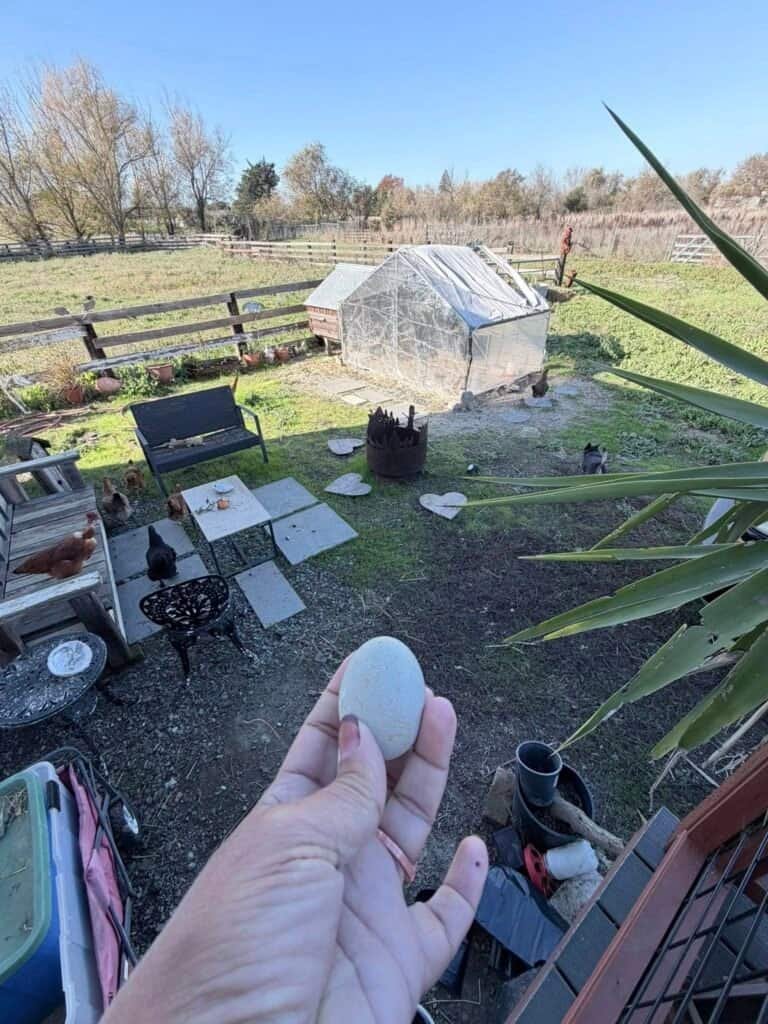
Can You Keep Chickens? (Legally)
Before you fall in love with the idea, check your local regulations. Many cities allow backyard chickens, but:
- You may need a permit
- There might be limits on flock size
- Roosters may be banned
- Coops may have to meet distance requirements
Do your homework—the last thing you want is to get shut down by a grumpy neighbor or code enforcement officer.
Space Requirements for a Happy Flock
Chickens need space to roam, scratch, forage, and socialize. Here’s a basic rule of thumb:
-
Run space (outdoor area):
→ 10 sq. ft. per chicken -
Henhouse space (indoor shelter):
→ 3–5 sq. ft. per chicken -
Roosting bars:
→ 1 linear foot per bird
The more space, the better. Less stress = fewer fights, healthier hens, and better egg production.
Coop Design: Pre-Made, Custom, or DIY
Your coop can be anything from a $300 DIY setup to a $10,000 designer coop.
-
DIY Coops
→ Affordable, customizable, and totally doable with some basic tools. -
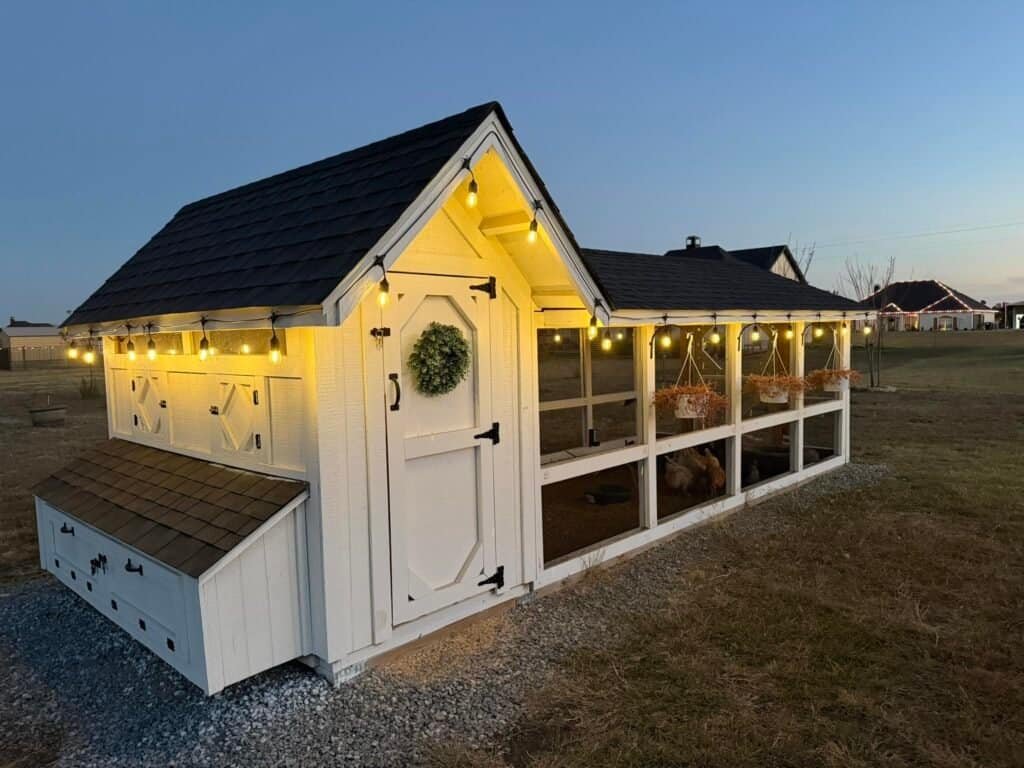
Carolina Coops
→ Premium, well-designed with animal welfare in mind—but pricey. -
Cheap prefab coops
→ Tempting, but often too small and poorly ventilated. Upgrade or modify if you go this route.
Tip: Think ahead—chicken math is real. Design for the flock you’ll end up with, not just the one you’re starting.
Chicks, Pullets, or Laying Hens?
What kind of chickens should you start with?
-
Eggs
→ Advanced. Risky, since you can’t sex them early. Might end up with roosters. -
Chicks (Recommended)
→ Affordable, fun to raise, usually pre-sexed, and very rewarding. -
Pullets
→ Teen hens. Ugly duckling stage. Good option if you want eggs sooner. -
Laying hens (Coop-ready)
→ Instant results, but you miss the joy of raising them.
Brooding Baby Chicks
If raising chicks, you’ll need:
- A container
- Pine shavings
- A safe heat source (avoid heat lamps—go for radiant heaters)
- Chick starter feed
- Waterer and feeder
Watch for issues like “pasty butt” and keep an eye on temperature and cleanliness.
Choosing the Right Breed
Pick your chickens based on:
-
Temperament
→ Friendly breeds: Orpingtons, Australorps, Silkies
→ Independent breeds: Wyandottes, Leghorns -
Climate Suitability
→ Cold-hardy: Rhode Island Reds, Barred Rocks
→ Heat-tolerant: Leghorns, Minorcas -
Egg Color
→ Cream Legbars (blue), Marans (dark brown), Easter Eggers (green/blue mix) -
Egg Production
→ Hybrids and utility breeds are best if egg output is a priority.
Chicken Care Routine
Daily Tasks
- Collect eggs
- Top up feed and water (or use automations)
- Quick hen check + bonding time
Weekly Tasks
- Check feed/water levels
- Light clean of coop/run
Monthly Tasks
- Rake and freshen bedding
- Inspect birds for signs of illness
- Add to compost pile if needed
Bi-Annual Tasks
- Deep clean litter
- Full coop refresh
- Compost cleanout (you’re sitting on gardening gold)
Real Talk: How Much Does It Cost?
DIY Setup Estimate (Basic):
- Coop: $300–$500
- Feeders/Waterers: $0–$100
- Baby chicks: $5–$15 each
- Bedding, feed, tools: $100+
Premium Setup (Like Carolina Coops):
- Coop: $3,000–$10,000+
- Feeder/watering system: $200–$500
- Hens: Up to $100 each for rare breeds
- Ongoing feed: ~$50/month for 6–8 hens
You’re not doing this to save money on eggs. At best, it’ll cost you $2.50/dozen in feed alone. But the value in joy, self-sufficiency, and egg quality? That’s priceless.
Conclusion
Backyard chickens are more than egg machines—they’re entertaining, surprisingly easy to care for, and bring life into your garden. Yes, there’s a bit of work and cost involved, but it’s manageable, rewarding, and a fantastic way to connect with your food and your environment.
So whether you’re here for the eggs, the compost, or just to hang out with some feathered weirdos, welcome to the flock.
Let chicken math begin.